
What Greater London manufacturers often need most
Closer review of tolerance work
We look at tooling and checking together where precision parts leave little room for drift.
Custom tools for awkward features
Bespoke designs can solve access, geometry and material issues standard tools handle poorly.
Measurement matched to the task
Metrology choices are based on the feature, environment and inspection demand.
Support for precision work in Greater London
For precision manufacturers in Greater London, a tooling decision rarely stands alone. Tool choice, machining stability and reliable measurement all affect whether a tight-tolerance part stays workable in production. We focus this support on tooling consultancy, bespoke cutting-tool manufacture and metrology supplies, so the process can be reviewed as a whole rather than as separate purchases. With Smart Tools (UK) Ltd, Greater London enquiries can begin with either a known tooling requirement or a machining issue that needs closer technical assessment.
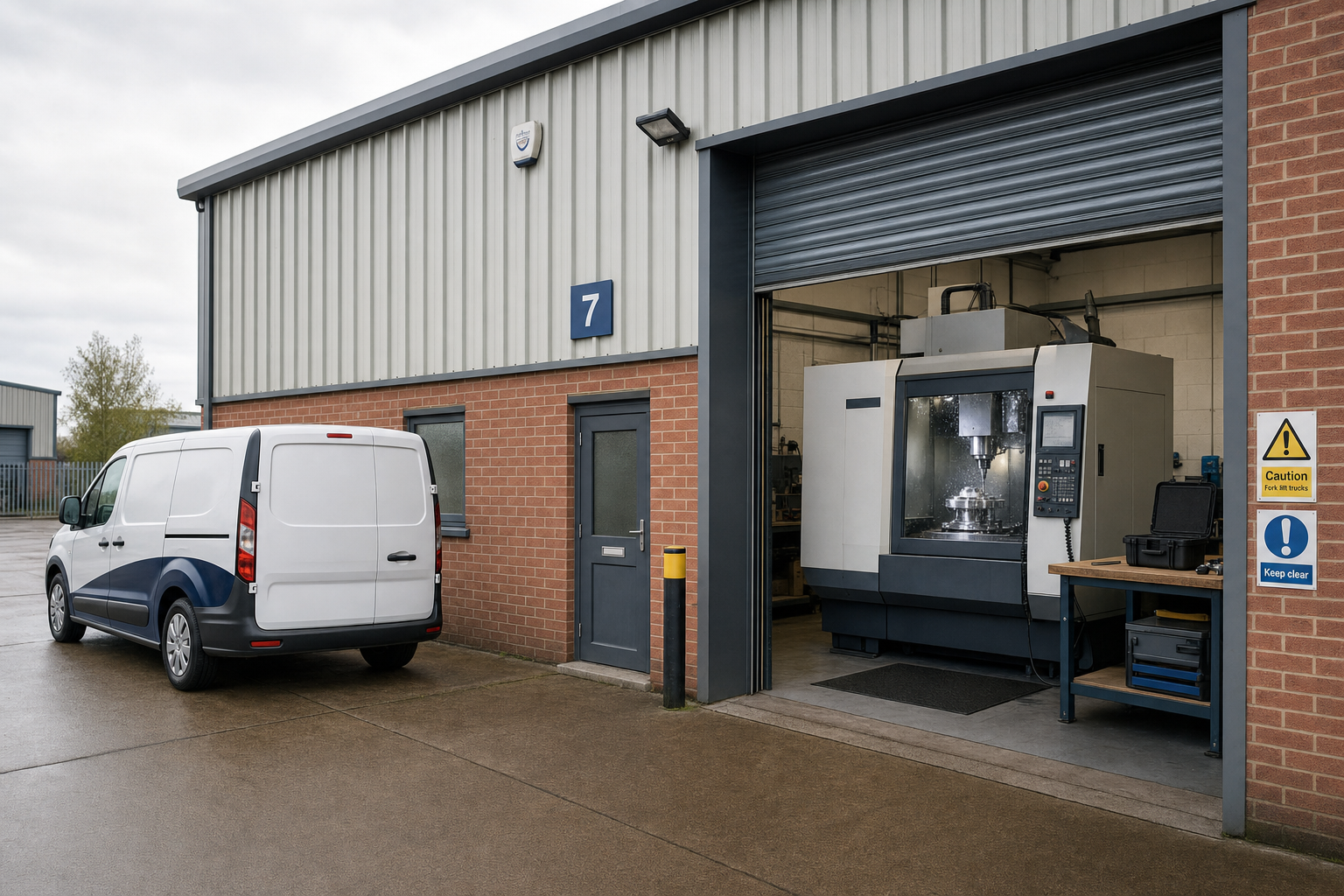

Cut tooling costs while improving process control
A published luxury-watch project showed a 40% tooling-cost saving, which is a useful reminder that better results do not come from price alone. When you send us the material, operation, tolerances, volume and present tooling issue, we can assess where the waste is really coming from. Through Smart Tools (UK) Ltd, manufacturers in Greater London can bring together custom tooling, process thinking and suitable metrology so accuracy and repeatability are supported at the same time.
Frequently asked questions
Can we enquire with a machining problem, not a part number?
Yes. Many Greater London enquiries start that way. If you can explain the material, operation, tolerances, production volume and what is going wrong, we can review the application and decide whether the answer sits in tooling choice, a bespoke design, metrology or a combination of them.
Why combine metrology with tooling support?
Because precision parts depend on both. A good cutting tool cannot compensate for weak checking, and a good gauge cannot fix an unstable process. Reviewing the tool path and the measurement task together often gives a more reliable route for tight-tolerance production work.
What should we send with a Greater London enquiry?
The most useful starting points are component material, operation, tolerances, production volume and the current tooling issue. Drawings or specifications help if you have them. That gives us enough context to begin narrowing the most practical route for the work.