
What indexable tooling should improve
Lower body replacement cost
You keep the main holder in use while renewing only the cutting edge where possible.
More flexible grade choice
Insert changes make it easier to tune the tool to material and cutting conditions.
Better control of edge use
A more deliberate insert choice helps you manage wear, finish and process stability.
Make insert tooling work harder
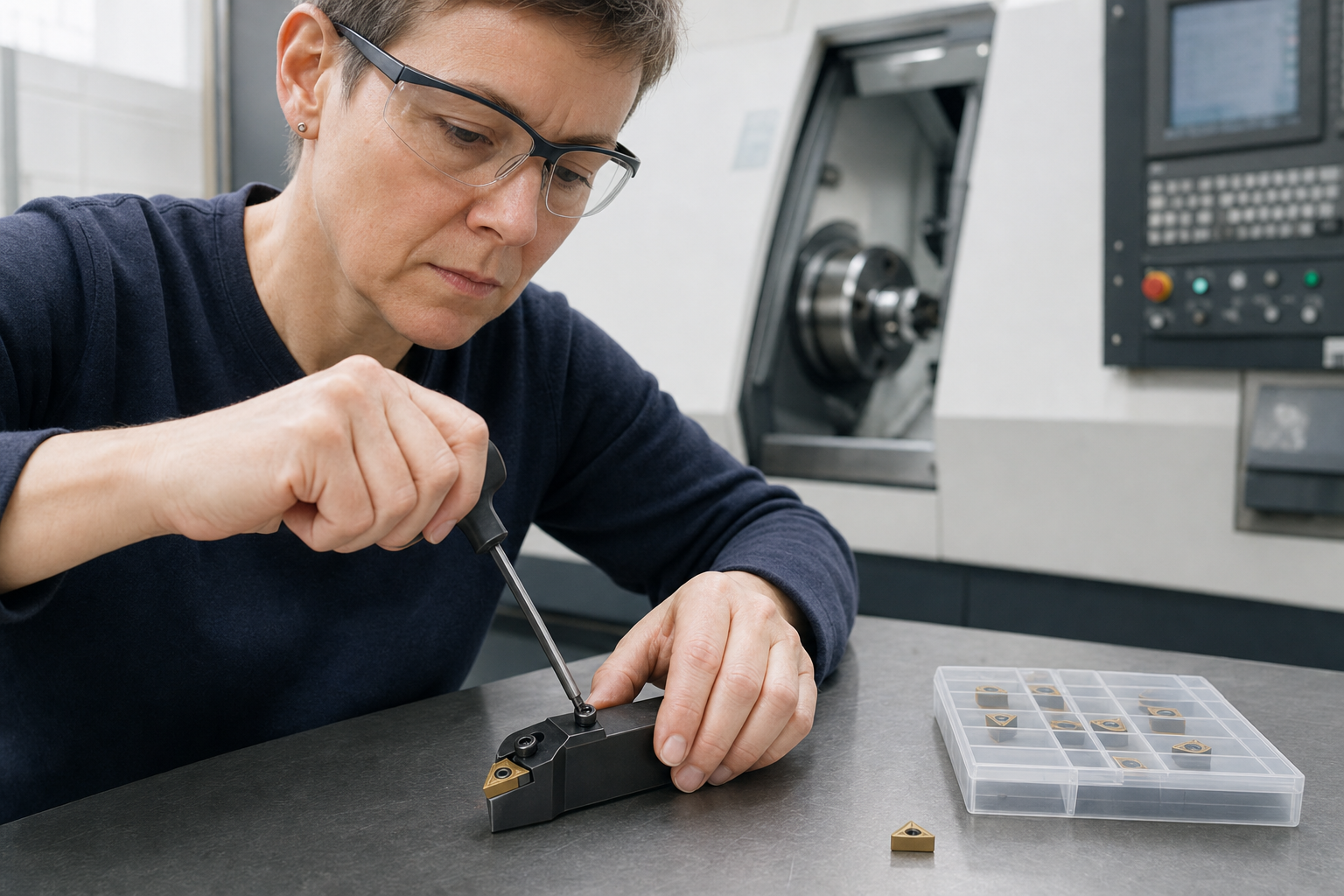
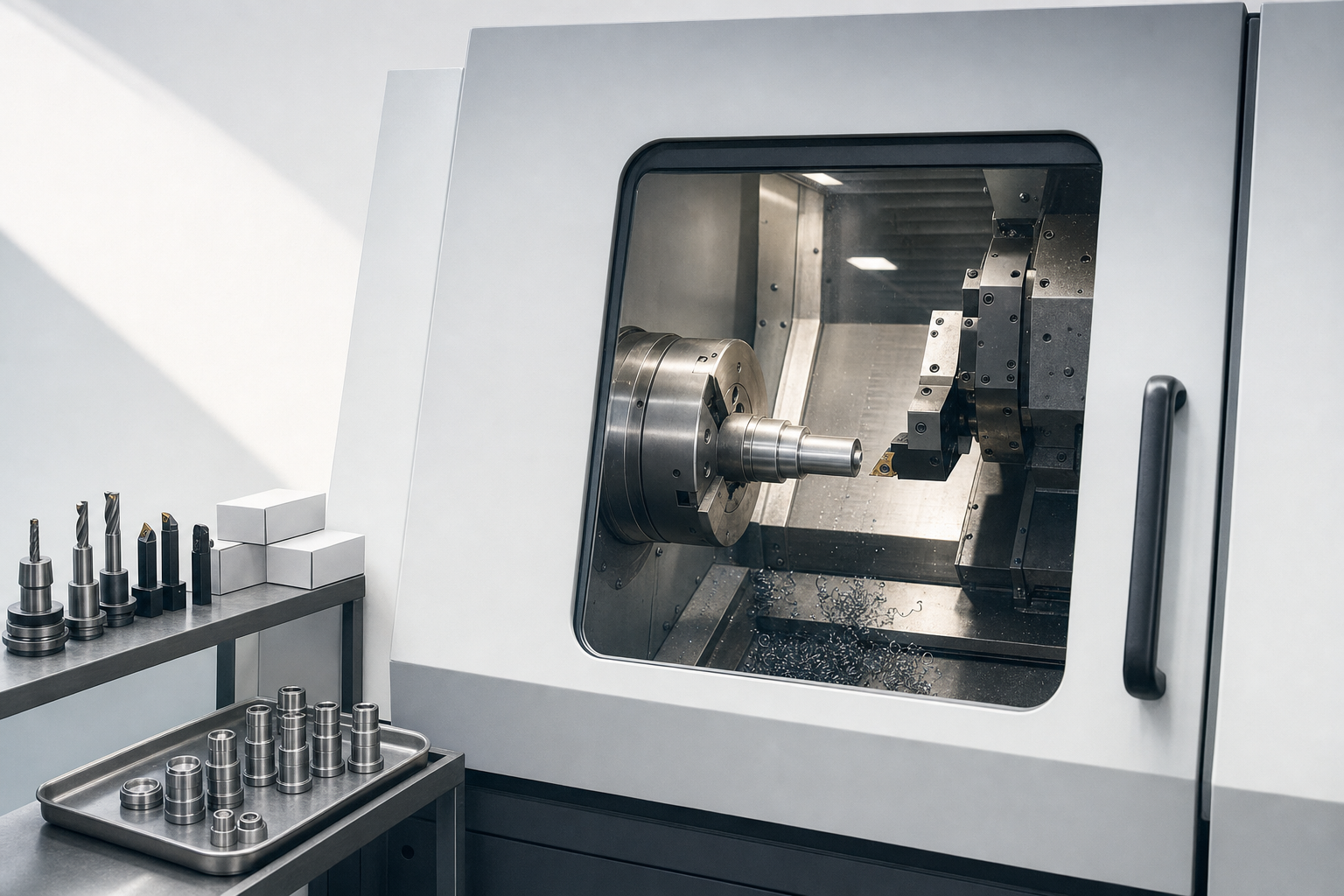
Indexable tooling is often the sensible choice when you want to renew the cutting edge without replacing the whole tool body. That can support efficient production, wider grade choice and a cleaner way to manage tooling cost across repeat work. With Smart Tools (UK) Ltd, we separate the real application first, whether that is facing, profiling, shoulder milling, external turning, internal turning or interrupted cuts. From there, we can focus on the insert and holder combination that suits the load and material.
Choose more than just the insert shape
A good result depends on more than fitting an insert into a pocket. Chipbreaker, grade, coating, approach angle, toolholder rigidity and workpiece material all change how the tool behaves in cut. Through Smart Tools (UK) Ltd, choices are drawn from specialist partners according to the application rather than from a single generic range. That keeps the focus on insert life, edge use, cycle time, process security and the total tooling cost you carry into production.
Frequently asked questions
When is indexable tooling a better option?
It is often a good fit on repeat work where insert changes are more practical than replacing a full tool. Milling and turning operations with predictable loads can benefit, especially when you want flexible grade choice and clearer control of edge cost across production.
How do you choose the right insert grade?
We look at the workpiece material, the operation, cutting conditions and what the process is struggling with now. Grade choice is tied to wear resistance, toughness and heat handling, while chipbreaker and geometry affect chip control, finish and cutting security.
Can you help with interrupted cuts and difficult turning work?
Yes. Interrupted cuts put extra stress on both insert and holder, so rigidity, approach angle, geometry and grade become especially important. We review those factors together so the recommendation is shaped around the real cut, not just the insert size.