
What a speed increaser can unlock
More useful spindle speed
Extra revolutions help small tools cut in conditions closer to what they actually need.
Shorter fine-feature cycles
Micro drilling and small cutter work can move faster when speed is no longer the limit.
Better use of existing machines
You may gain capability without changing the whole machine platform for one operation.
Add speed where the main spindle runs out
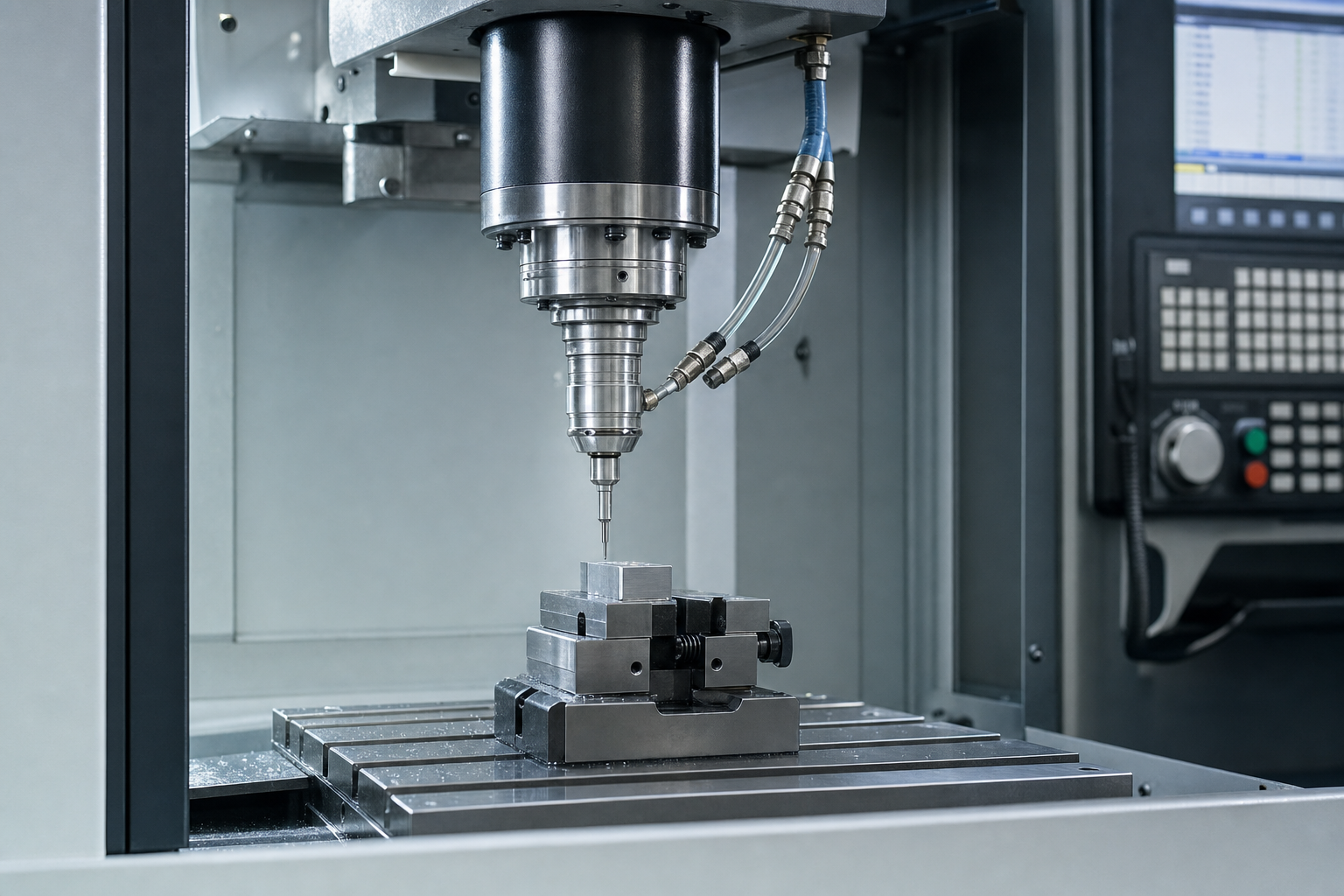
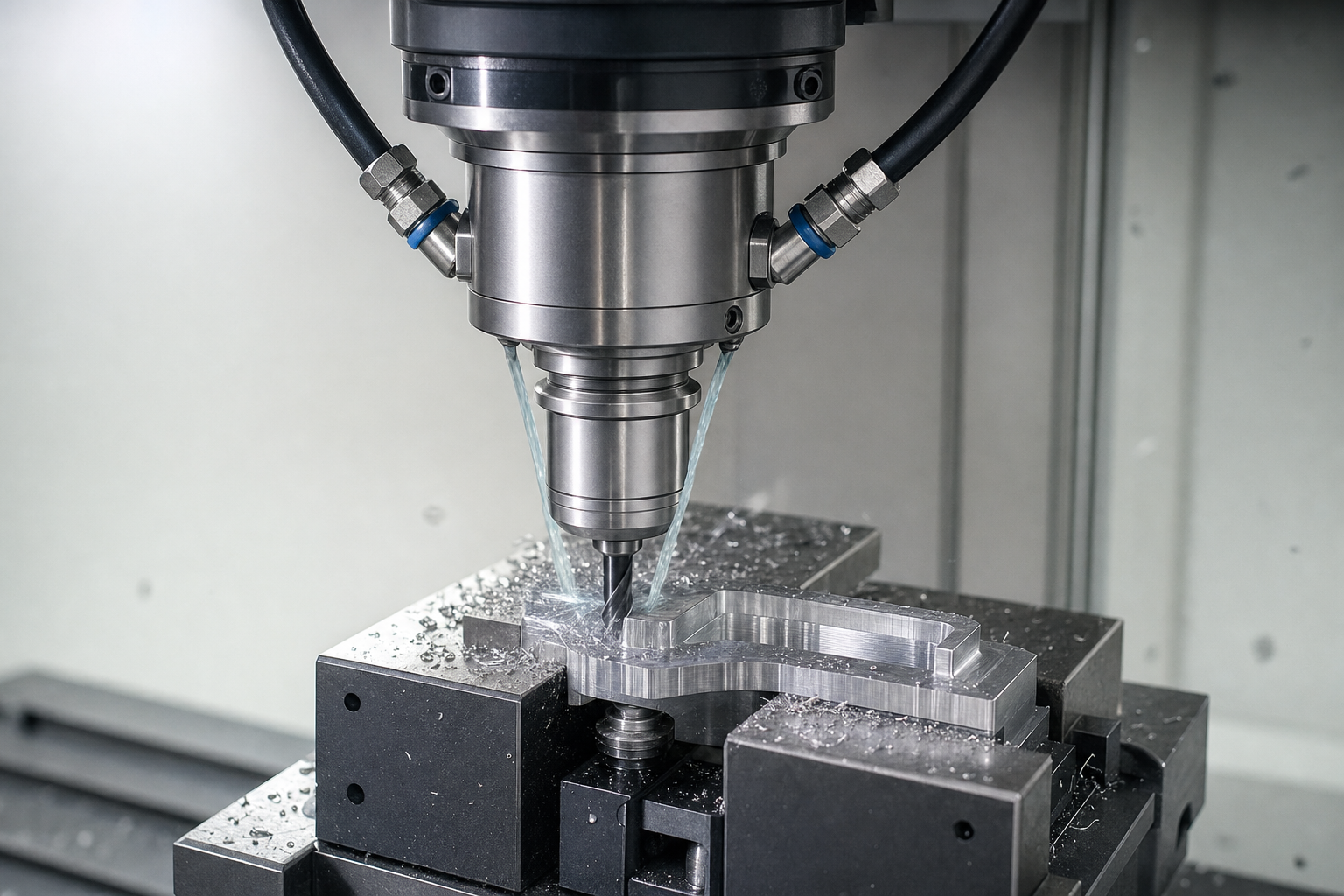
Small-diameter cutting tools often perform best at speeds that the main spindle cannot reach. When that happens, the tool is forced to work below its proper cutting conditions, which can stretch cycle times and limit what the machine can do. Taegutec speed increasers use coolant pressure to generate far higher rotational speed for micro drilling, small cutters and other fine-feature work. With Smart Tools (UK) Ltd, we review where the spindle is the real bottleneck before suggesting a speed-increase route.
Choose the right speed increaser
Not every unit suits every job. The right choice depends on coolant pressure, spindle interface, required speed, torque, tool diameter and the clearance available around the component and fixture. Through Smart Tools (UK) Ltd, selection is tied to the actual application, so the increaser supports better cutting conditions rather than creating another compromise. In the right small-tool work, that can shorten cycles and make stronger use of the machine you already have.
Frequently asked questions
When does a speed increaser make most sense?
It is most useful when small-diameter tools are being held back by the main spindle speed. Micro drilling, small cutters and fine-feature work often need more revolutions than the machine can provide on its own, so cutting conditions and output both suffer without extra speed.
What machine details matter for selection?
Coolant pressure, spindle interface, required speed, torque demand, tool size and machine clearance are the key points. Those details show whether a speed increaser is practical for the job and which unit size and output range are most likely to suit it safely.
Can a speed increaser improve existing tooling performance?
Yes, where the cutting tool itself is sound but the available spindle speed is too low. Giving a small tool the speed it needs can improve cutting conditions and reduce cycle time, provided the torque and machine setup are still right for the work being done.