
What good carbide selection should improve
Stronger edge security
The right geometry and grade can cut down premature wear, chipping and unstable cutting.
Better finish and evacuation
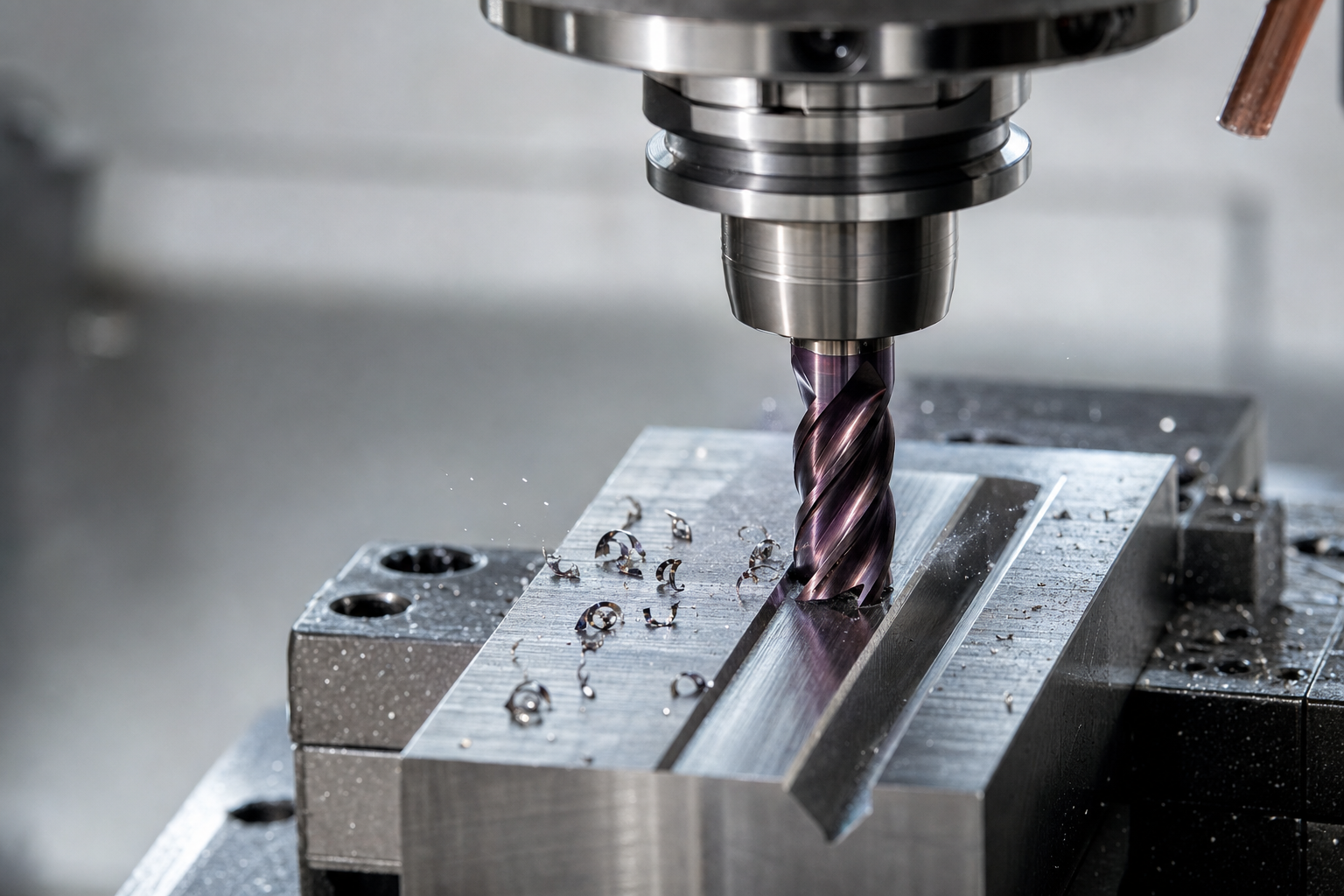
Flute form and coating choice affect how cleanly the tool cuts and clears material.
A clearer cost per part
We help balance speed, life and replacement cost instead of chasing one figure in isolation.
Why carbide can change the result
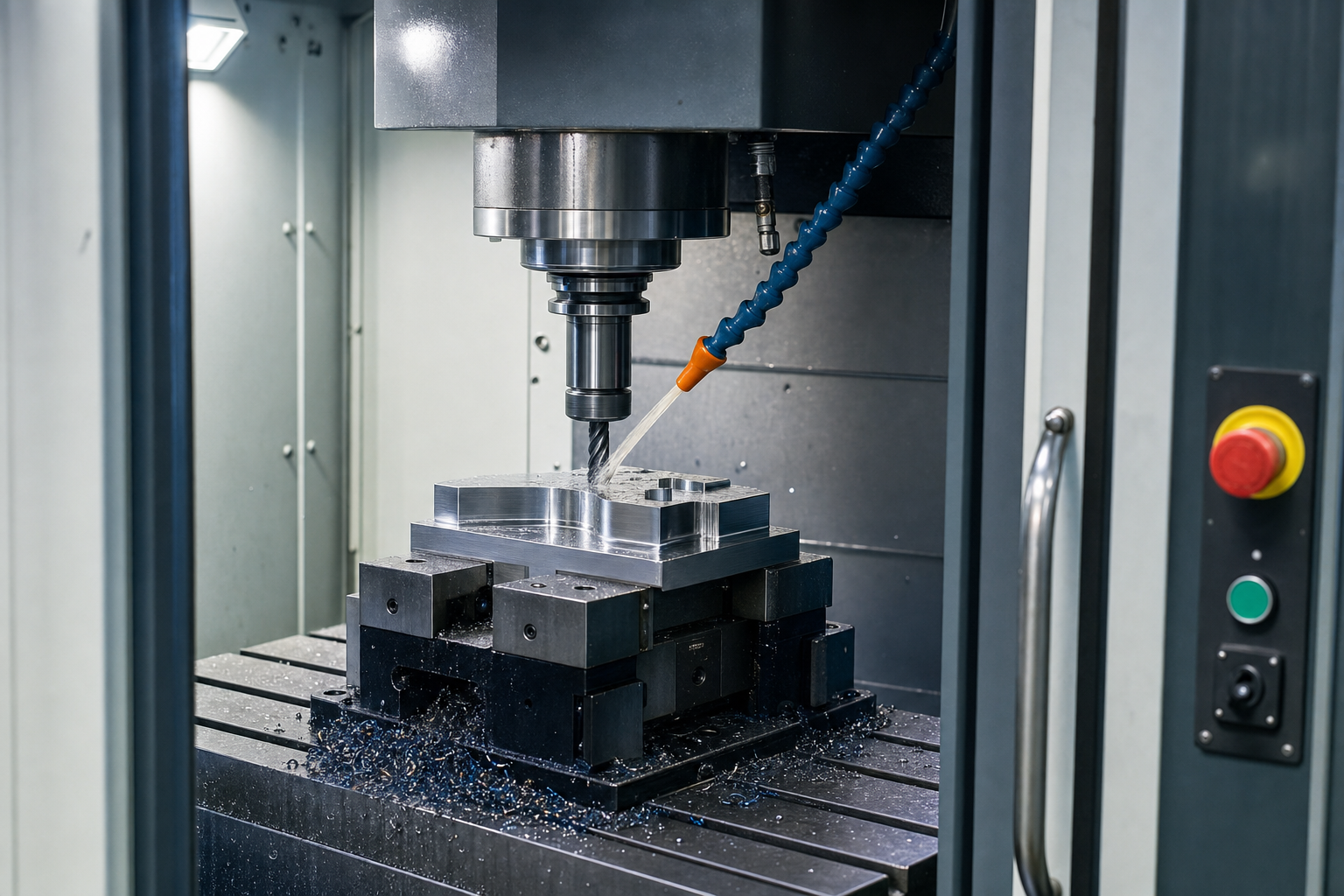
Solid carbide tooling can make a real difference where rigidity, wear resistance and cutting speed matter. That is why it is widely used across demanding CNC work in materials such as Inconel, stainless steel, titanium, aluminium, other non-ferrous grades and composites. With Smart Tools (UK) Ltd, the discussion does not stop at diameter and length. We look at what the job needs from the edge, whether that is longer life, more secure cutting, cleaner finish or better chip evacuation in a difficult material.
Match the tool to the material and cut
Carbide performance depends on the details. Grade, coating, geometry, flute design and coolant strategy all need to suit the material and the operation being carried out. Through Smart Tools (UK) Ltd, you can review standard solid carbide options or move toward special-purpose manufacture where quantity, geometry or lead time make that the better fit. The aim is not just a harder tool, but a more dependable cost per component.
Frequently asked questions
When does solid carbide make more sense than other tooling?
It is often the better choice when you need higher cutting performance, stronger wear resistance or a more rigid tool in demanding CNC work. That is especially true in harder or more abrasive materials, where tool life and surface finish can quickly suffer with a poor match.
Can you source special solid carbide tools as well?
Yes. If a standard catalogue tool does not suit the geometry, quantity or lead-time need, we can review special-purpose manufacture. That is useful for non-standard profiles, awkward access and applications where a stock design creates too many compromises.
What details matter most when choosing carbide?
Material and operation come first, but we also need to know the machine, cutting conditions, coolant method and what you want the process to improve. Those points affect the best grade, coating, flute design and overall geometry far more than size alone.