
What refurbishment should save or avoid
Lower replacement spend
Suitable tools can be returned to use instead of being discarded at the first sign of wear.
Less avoidable downtime
A planned refurbishment route can support continuity where specialist tools are critical.
A clearer repair decision
Assessment helps separate tools worth recovering from those better replaced with new.
Restore value from worn cutting tools
Not every worn cutting tool needs replacing straight away. Where the substrate, geometry and remaining life make sense, refurbishment can return a tool to productive use and preserve the value in the original body. We begin with an assessment of wear pattern, dimensional tolerance, coating condition and service life. With Smart Tools (UK) Ltd, that review can cover CBN, PCD and more traditional cutting-tool materials, so the decision is based on suitability rather than habit.
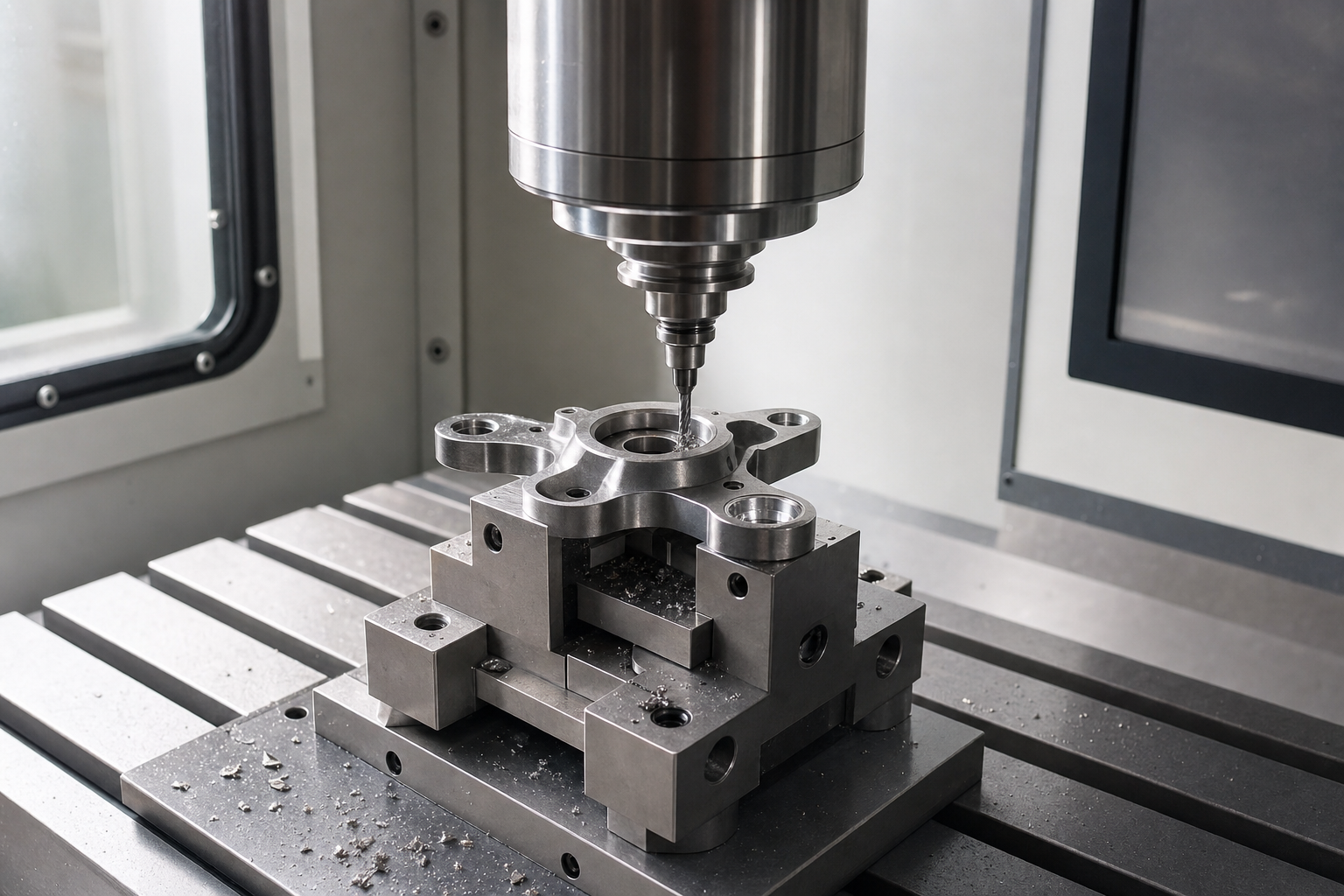
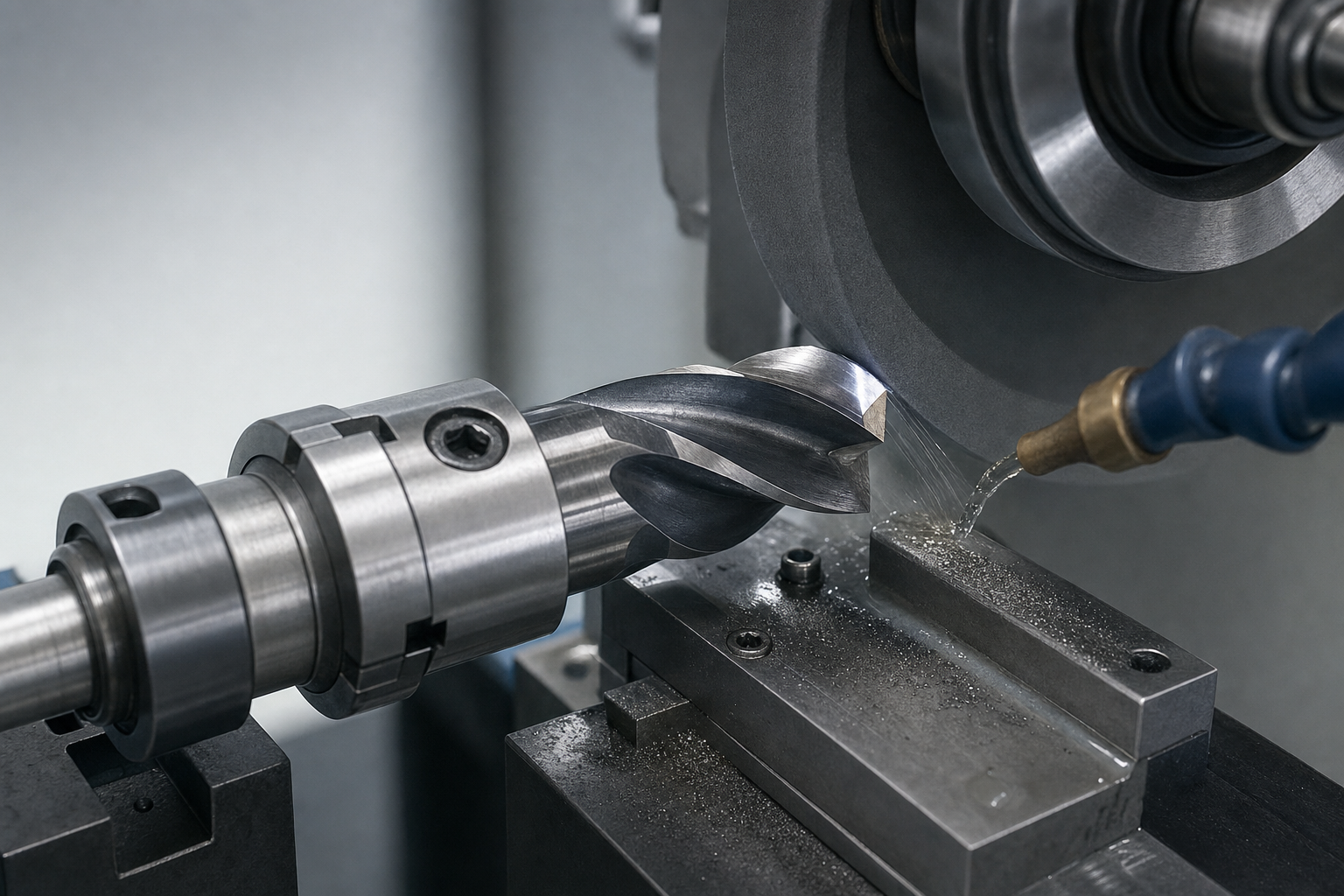
Assess first, then choose the right route
Refurbishment is only useful when it is practical and commercially sensible. We look at the tool type, failure mode, required geometry, quantity and production priority before recommending a route. Through Smart Tools (UK) Ltd, processing can be handled through UK-based and international options, including advanced processing and virtual-manufacture support where appropriate. The aim is to reduce replacement spend and minimise downtime when a refurbished tool is the better choice.
Frequently asked questions
Which cutting tools are suitable for refurbishment?
Suitability depends on the wear pattern, the substrate condition, the geometry and how much useful life remains in the tool. We commonly assess CBN, PCD and traditional cutting-tool materials, but the final decision depends on whether refurbishment will return real production value.
When is a new tool the better choice?
If the body is damaged, the geometry cannot be recovered properly or the remaining service life would be too limited, a new tool is usually the wiser option. We assess the tool against practical production needs, not just against the possibility of reworking it.
What do you need to assess a tool for regrinding?
The more detail we have, the better. Tool type, material, failure mode, quantity, required geometry and production priority all help. If you can share drawings, photos or notes on how the tool failed, that makes it easier to judge the best refurbishment route.