
What the right tool material should balance
Toughness where it matters
HSS can stay dependable in setups where brittleness would create more problems than speed.
More heat resistance in cut
Cobalt grades cope better where the job places greater thermal demand on the edge.
A sensible material comparison
We help weigh speed, resilience and cost instead of defaulting to one tool family.
Why HSS still has a place in production
Carbide is not the answer to every job. HSS remains useful where toughness, resilience and a little forgiveness matter more than outright speed, especially on lower-speed machines or less rigid setups. It can be a practical choice for general work where impact resistance and replacement cost both matter. With Smart Tools (UK) Ltd, we help compare the tool material with the real cutting conditions rather than assuming the most expensive option will automatically produce the best result.
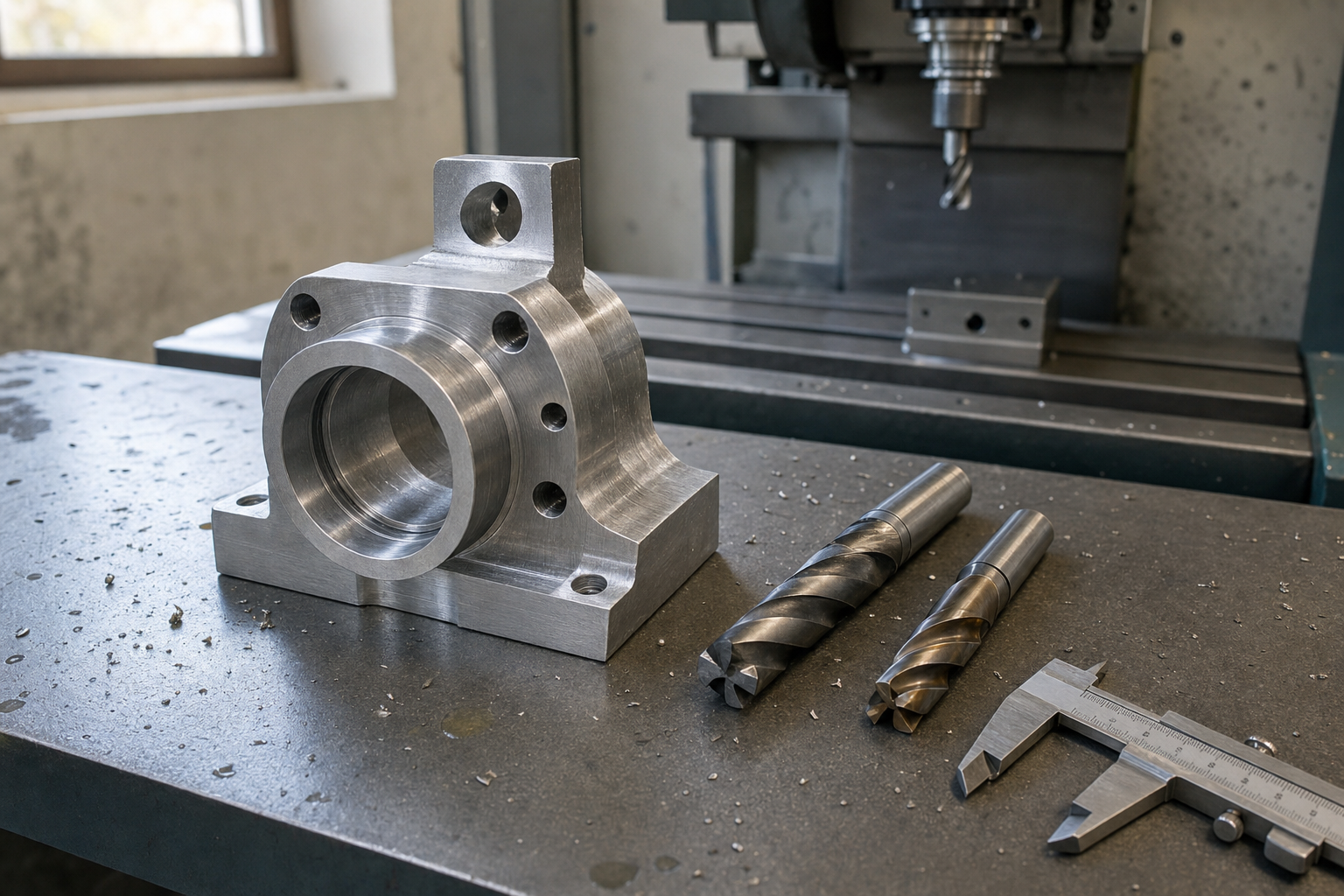
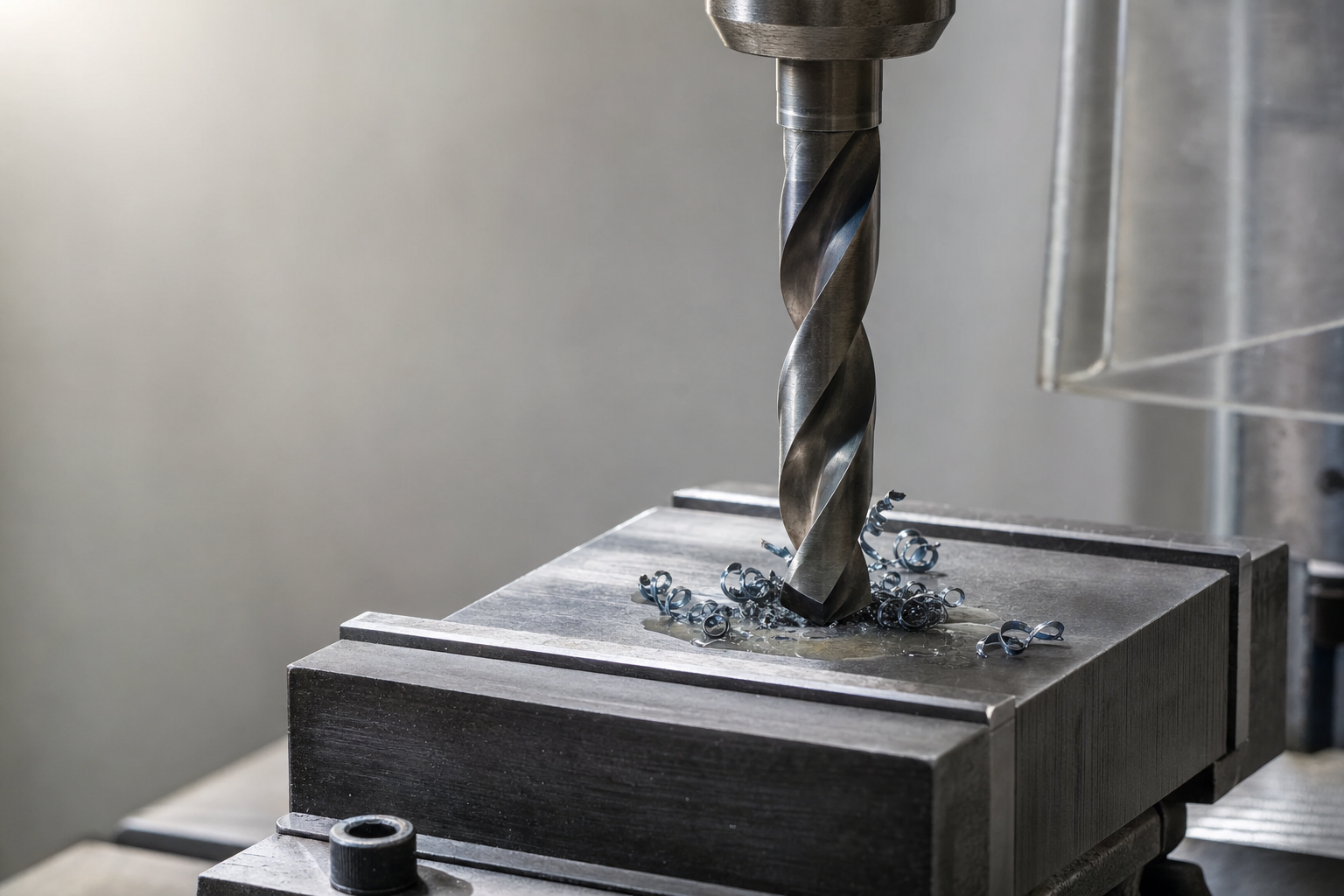
Know when cobalt makes a difference
Cobalt-alloyed HSS adds greater hot hardness and wear resistance, which can make a difference in tougher materials and more demanding cuts. The right choice still depends on the operation, diameter, length, workpiece material, cutting speed, feed and coolant use. Through Smart Tools (UK) Ltd, we help you compare HSS, cobalt and carbide in terms of rigidity, impact resistance, production volume, achievable speed and replacement cost, so the material choice stays practical.
Frequently asked questions
When should we choose HSS instead of carbide?
HSS can be the better choice on less rigid machines, interrupted or impact-prone work and jobs where cutting speed is not the main driver. Its toughness and lower replacement cost can make it more practical than carbide when conditions are not ideal for a brittle, higher-speed tool.
What does cobalt add to HSS tooling?
Cobalt improves hot hardness and wear resistance, which helps the tool hold up better in tougher materials and more demanding cutting conditions. It does not replace the need for good process choice, but it can extend the working range beyond standard HSS in the right job.
What information helps you recommend HSS or cobalt?
We need the operation, tool size, material, machine type, cutting speed, feed and coolant conditions. Those details show whether toughness, heat resistance, rigidity or replacement cost should lead the choice, and whether carbide should still be considered as a comparison.