
What better tool control should deliver
Faster access on the floor
Operators can get approved items quickly without losing time to stores or ad hoc searching.
Cleaner stock visibility
Recorded issue data helps you see where tooling is going and where levels need adjusting.
More control over spend
Usage limits and replenishment planning support tighter budgeting without guessing demand.
Keep essential tooling at the point of use
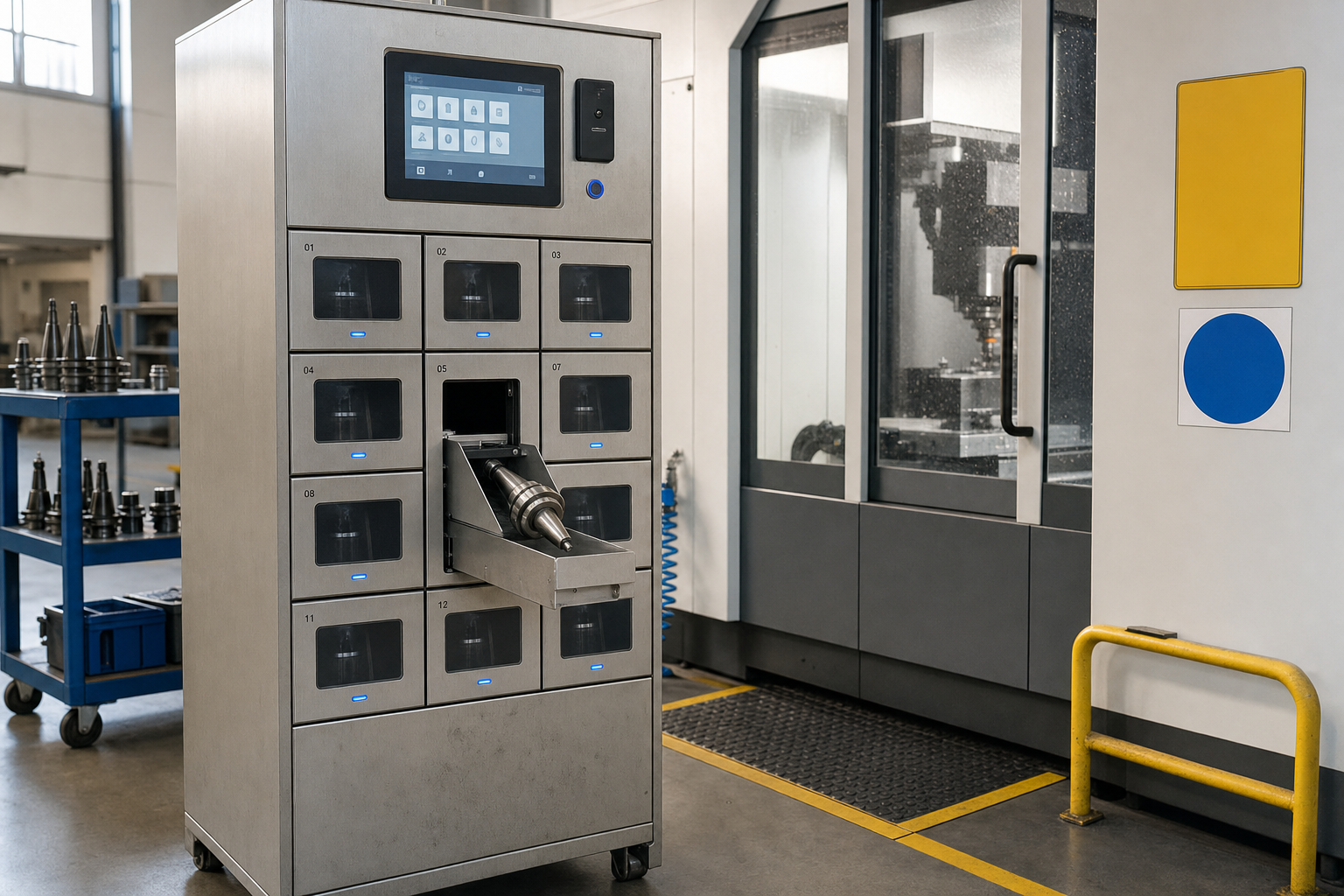
If tools are stored too loosely, stock drifts, spend becomes harder to track and operators lose time hunting for everyday items. Point-of-use vending brings authorised access closer to the machine while keeping a clearer record of who takes what and when. With Smart Tools (UK) Ltd, the system can be shaped around your workforce size, tool range, issue quantities, storage capacity and production pattern, so the setup fits how your shop actually runs.

Control spend without starving production
Vending only works well when the machine is stocked sensibly and monitored properly. We support the setup by planning stock levels around real consumption, then tracking usage so replenishment follows demand rather than guesswork. Through Smart Tools (UK) Ltd, that can give you clearer tooling spend, better stock visibility and less risk of essential items being unavailable when a machine is waiting.
Frequently asked questions
What can go into a tool vending machine?
They are commonly used for cutting tools, inserts and other production consumables that need regular but controlled access. The exact mix depends on your range, issue frequency and storage needs, so we scope the machine around what your team actually uses during production.
How does replenishment work in practice?
We monitor usage and stock the machine around actual demand. That means replenishment is based on what is being issued rather than on rough estimates. It helps avoid both overstocking slow-moving items and running short of tools that production relies on every day.
Can vending suit smaller manufacturing teams?
Yes, if the problem is control rather than sheer volume. A smaller team can still benefit from clearer issue records, better visibility of repeat-use items and less time spent chasing stock. The key is sizing the system around the real number of users and the tool range.