
What consultancy should change on the floor
Less trial and error
We narrow the variables so you spend less time testing options that were never likely to fit.
Advice tied to output
Recommendations are judged against cycle time, tool life, finish and cost per component.
Useful as needs change
The process can be revisited when volumes, materials or machining demands move on.
Review the machining process as a whole
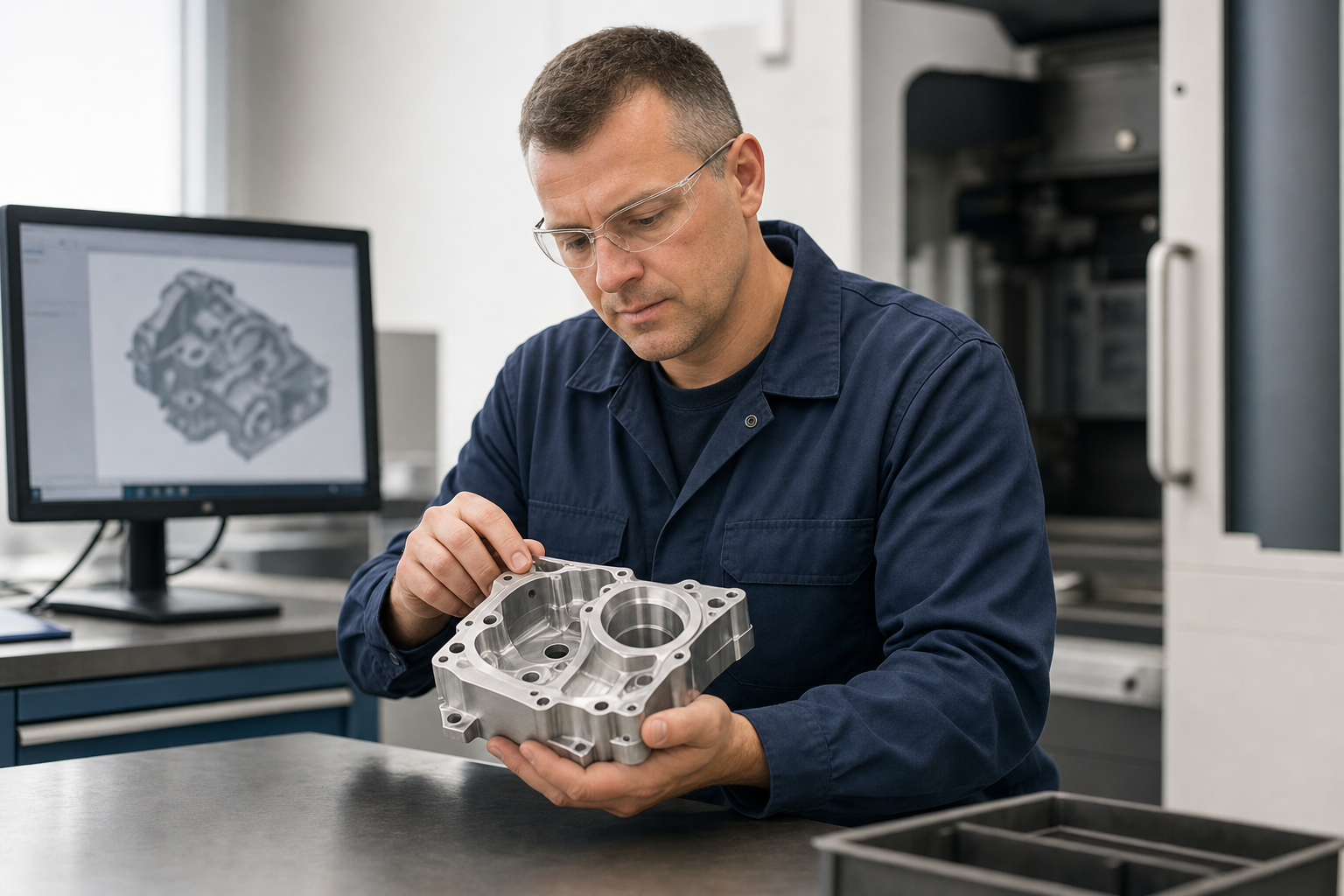
Some production issues do not come from one poor tool choice. They come from the way the tool, material, machine and method are working together. We begin with an application review that looks at the component material, cutting conditions, production target and the exact problem you need to solve. With Smart Tools (UK) Ltd, that review can lead to changes in tool type, tool material, machining strategy or a more specialised route such as PCD tool design, CBN tool design, aerospace tooling or automotive tooling.
From assessment to implementation
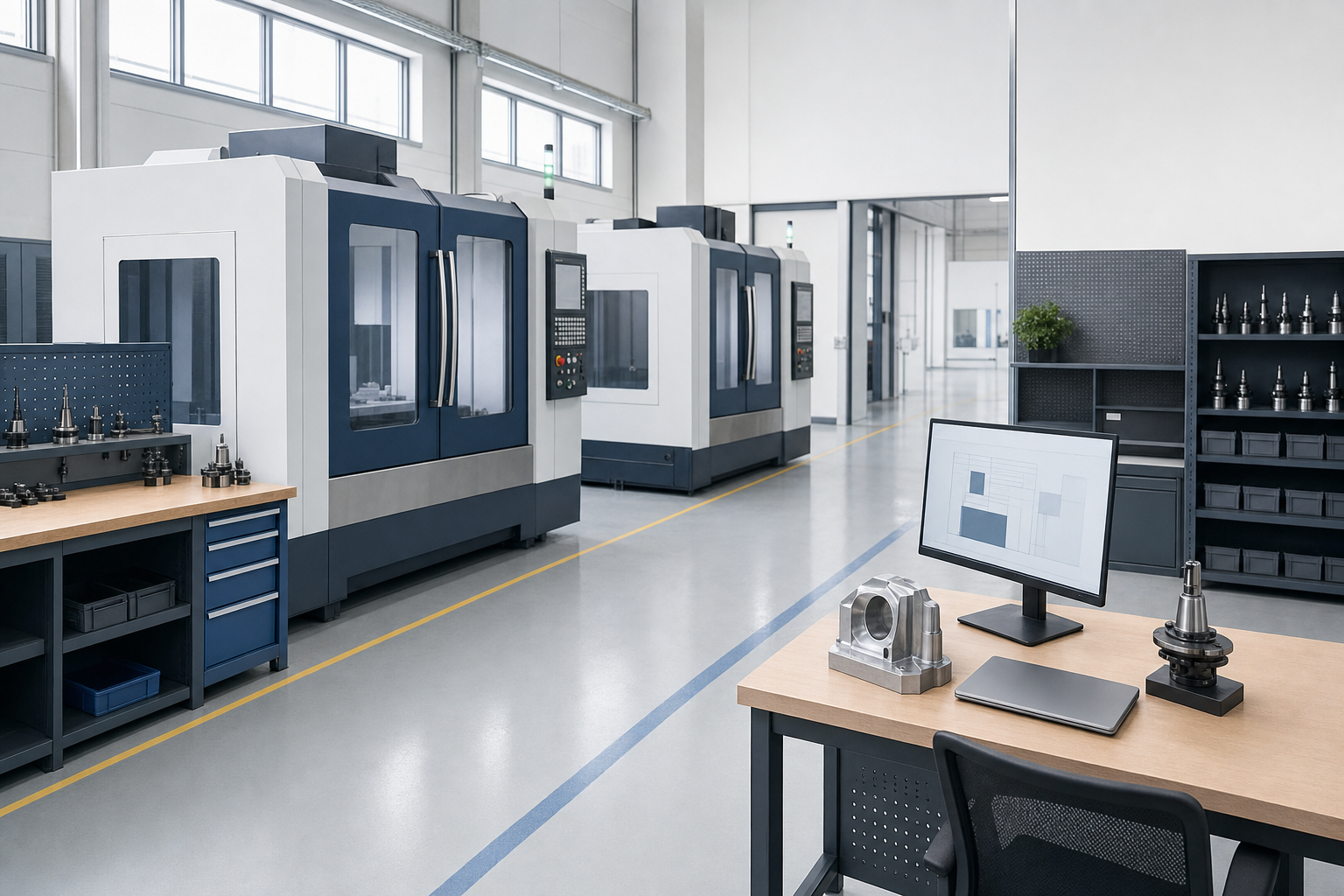
Our method moves through review, recommendation, production and refinement. Once the job is understood, we can assess the best-fit cutting tools, machining parameters and strategies, then arrange design and manufacture for bespoke tooling where needed. Through Smart Tools (UK) Ltd, support does not stop at the first recommendation. As production evolves, we can revisit the process and refine the tooling choice so the work remains practical, stable and commercially sensible.
Frequently asked questions
What sort of problems suit machining consultancy?
It is useful when tool life is inconsistent, cycle times are too long, a material is difficult to machine or repeated failures keep returning. It also helps when a new component is being introduced and you want a stronger process from the start rather than after several reworks.
Do you only advise on cutting tools?
No. Tooling is central, but we also look at machining parameters, cutting strategy and the way the process is being run. In some cases the right answer is a different tool material or geometry, and in others it is how that tool is being applied.
Can consultancy lead to bespoke tooling?
Yes. If a standard product is not the best fit, we can move from the review stage into design, production and possible trial of a bespoke tool through UK or international manufacturing partners. That keeps the technical thinking and the supply route connected.