
What good holemaking and threading should prevent
Fewer broken tools
A better process match reduces overload, recutting and the stoppages that follow.
More accurate threads
We help tie the method to the form, depth and tolerance the component actually needs.
Cleaner chip control
Drill and thread choices are shaped to evacuate chips before they damage the cut.
Choose the process before the product
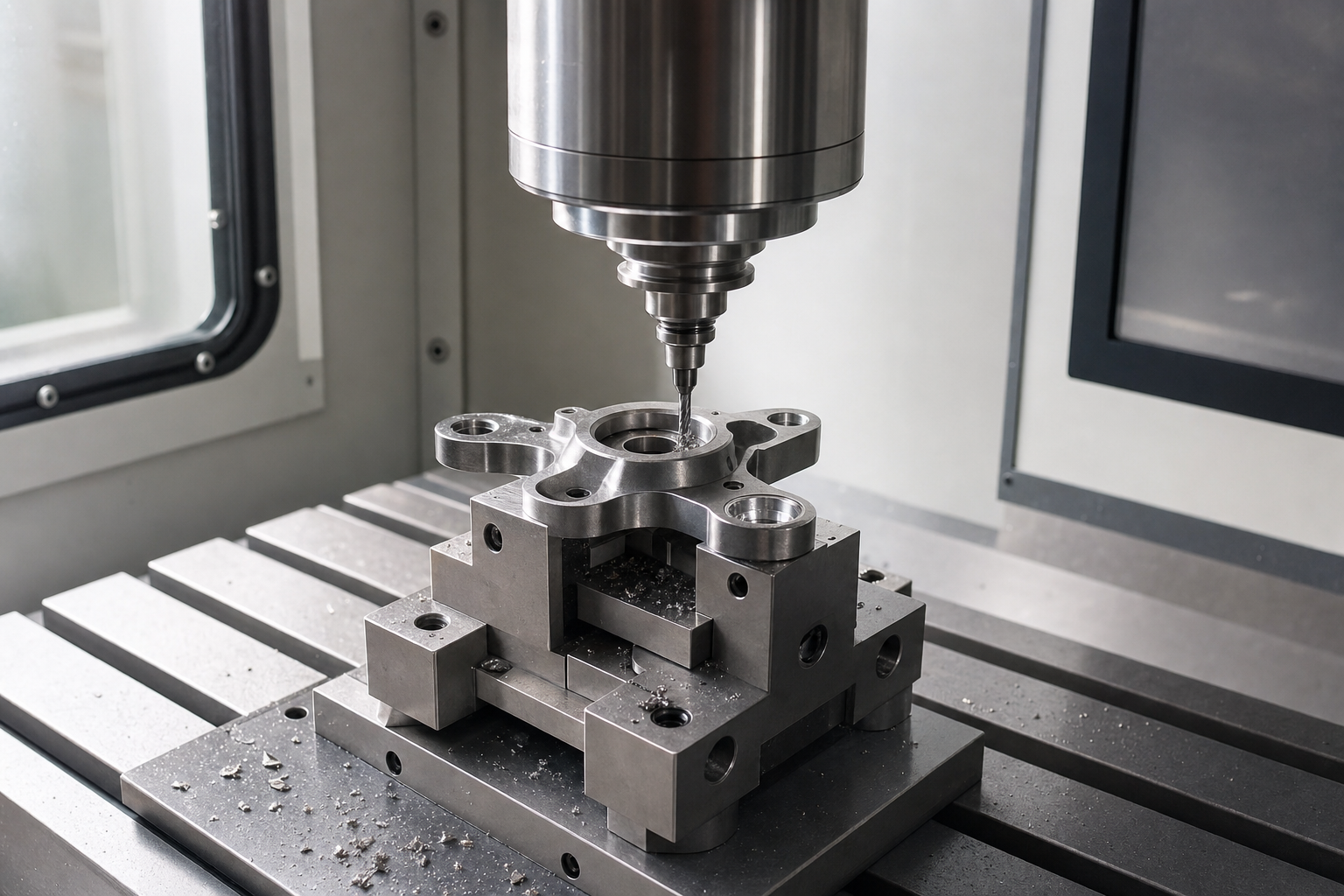
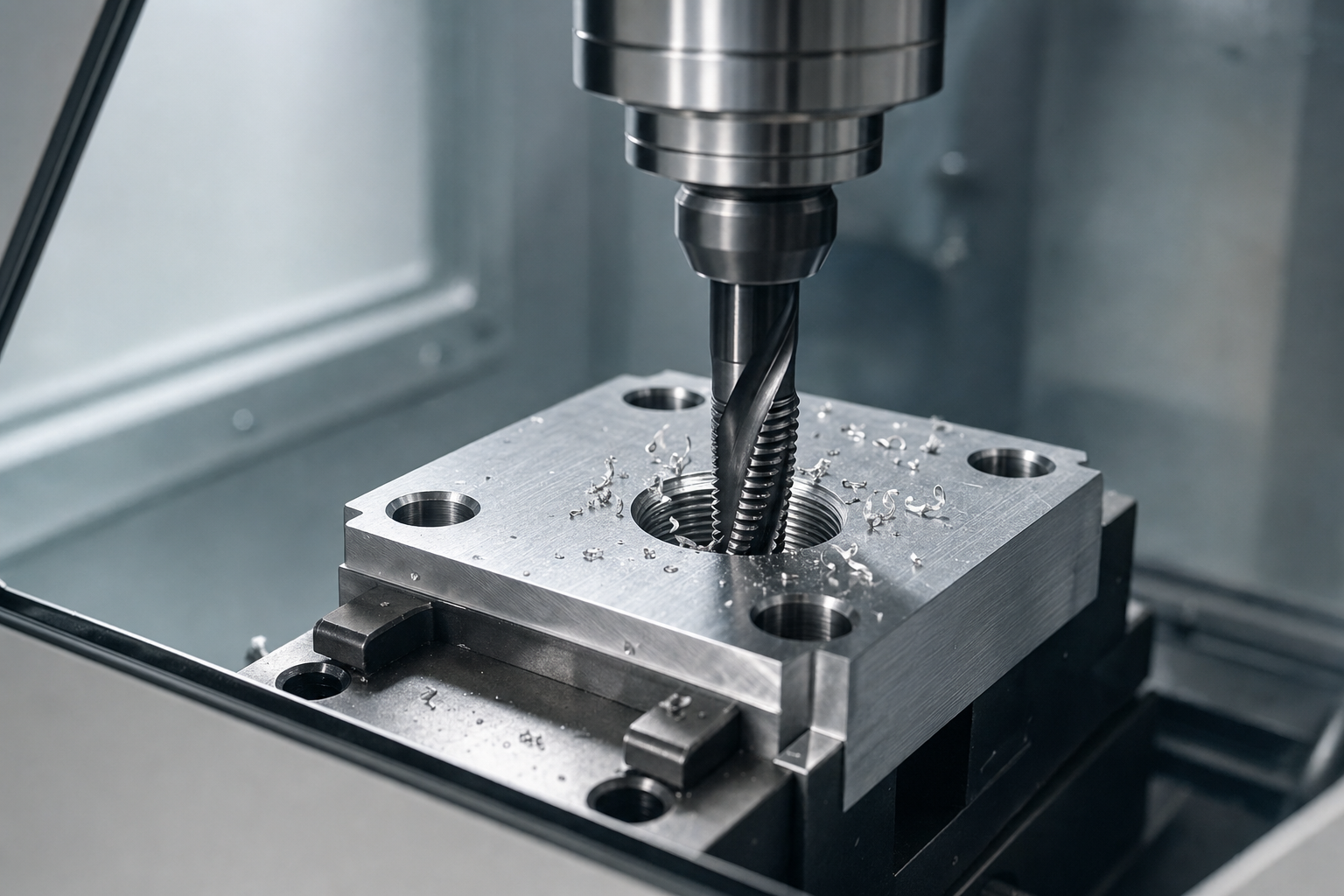
Holemaking and threading go wrong quickly when the strategy does not suit the part. A blind hole, difficult material, limited access or fragile workpiece can turn a routine operation into repeated breakage or poor thread quality. We look first at the hole type, thread form, depth and output requirement, then work back to the tooling route. With Smart Tools (UK) Ltd, that can include drilling, tapping, thread milling and more specialised solutions for aerospace forms, Swiss-turned bone screws and other demanding applications.
The details that protect the cut
Point geometry, drill length, chip evacuation, coolant delivery, thread accuracy and tool access all affect whether the process stays under control. That is especially important in titanium, stainless steel, PEEK and PTFE, where recutting and poor chip flow can damage both tool and component. Through Smart Tools (UK) Ltd, selection is centred on avoiding broken tools, oversize holes, weak threads and repeated scrap, while keeping the process practical for the machine and volume involved.
Frequently asked questions
How do we choose between tapping and thread milling?
It depends on the thread form, hole type, material, depth and production volume. Tapping can be efficient, but thread milling may give you more control in difficult materials, blind holes or larger sizes. We review the job so the method matches the risk and output target.
What usually causes repeated drill breakage?
It is often a mix of poor chip evacuation, unsuitable point geometry, incorrect length, unstable cutting conditions or coolant that is not reaching the cutting edge effectively. Looking at the drill in isolation misses those factors, so we assess the operation as a whole.
Can you support medical and other small-part work?
Yes. We can review demanding applications such as Swiss-turned bone screws and small features in titanium, stainless steel, PEEK and PTFE. In that kind of work, geometry, access, chip flow and thread accuracy all need more careful attention than a general drilling job.